




SUMMARY
- Your tires are your only connection to the road. Regular Chevrolet tire service ensures safer drives, better performance, and longer tire life.
- Check tire pressure monthly, rotate every 7,500 miles, and watch for wear indicators. Choose the right tire type for your driving needs.
- Trust Hessert Chevrolet of Cherry Hill’s Certified Service experts for all tire needs. Professional care keeps your vehicle running safely and smoothly.
Also Read: Discover the 2026 Chevy Silverado for Sale in Cherry Hill, NJ
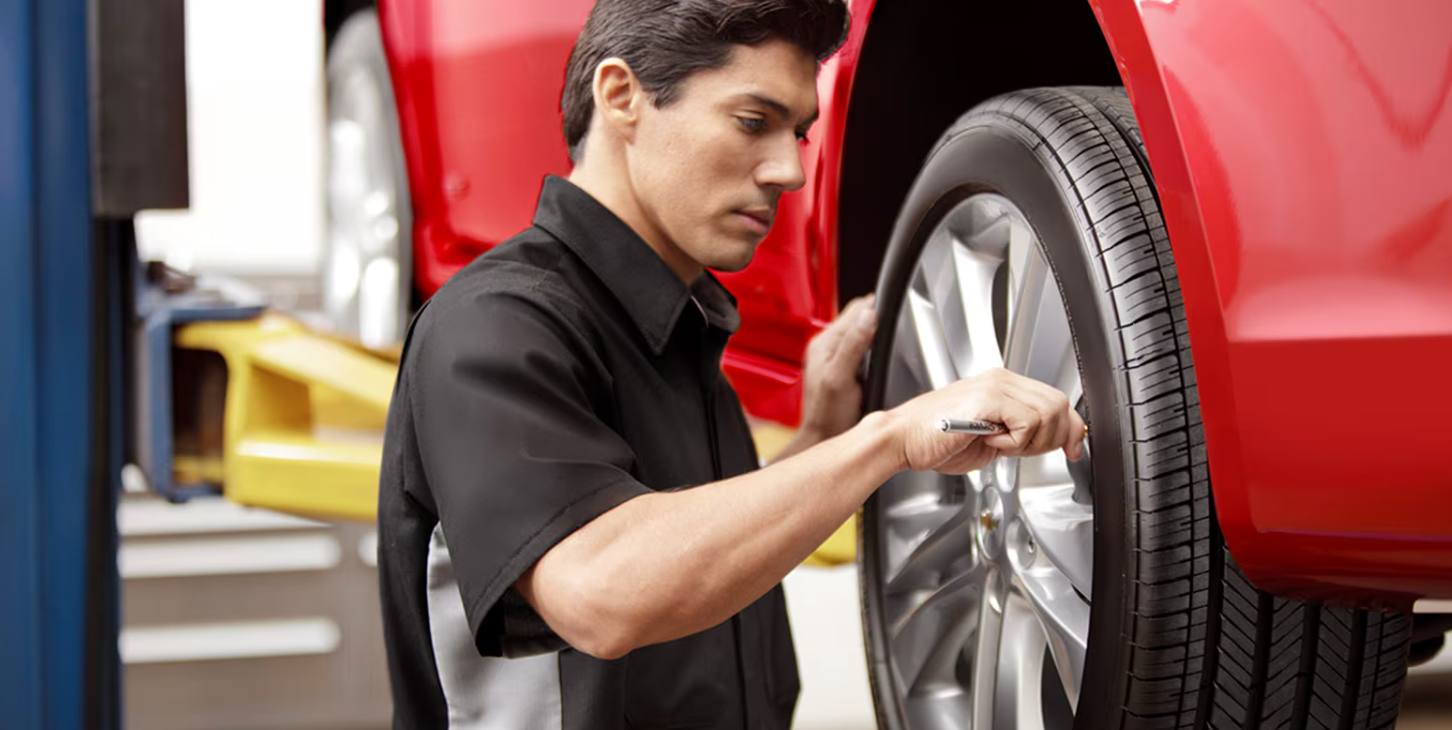
Your car’s tires are the only thing connecting you to the road, whether you’re running errands around town or heading out on a long road trip. Taking care of them means safer, smoother drives and better performance from your vehicle. Regular Chevrolet tire service helps your tires last longer and keeps your car handling the way it should. This guide covers everything you need to know about tire rotation, balancing, and replacement so you can keep your vehicle in top shape with proper Chevrolet maintenance from Hessert Chevrolet of Cherry Hill.
Keeping an Eye on Your Tire Health
Good Chevrolet maintenance starts with knowing how to check your tires regularly. Two things matter most: keeping the right air pressure and watching for wear.
Your tires need to stay at the right pressure level. When they’re underinflated, your car won’t handle as well, your tires will wear out faster in uneven patterns, and you’ll spend more on gas. Even worse, tires with too little or too much air can overheat and blow out while you’re driving. Overinflated tires also make for a bumpy ride and don’t grip the road properly.
Most newer Chevrolet vehicles come with a Tire Pressure Monitor System (TPMS) that watches your tire pressure for you. If any tire drops 25 percent below where it should be, a light comes on your dashboard with a warning message. When you see this, check all four tires and add air to get them back to the recommended level, then drive around to reset the light.
Even with TPMS, you should still check your tire pressure manually at least once a month with a pressure gauge. For the best reading, check when your tires are “cold,” meaning you haven’t driven for at least three hours or you’ve driven no more than a mile. You can find the exact pressure your tires need in your Owner’s Manual or on the sticker inside your driver’s side door frame.
Choosing the Right Tires for Your Needs
Picking the right type of tire is an important part of Chevrolet maintenance because it affects how your car performs, how safe you are, and how comfortable your ride feels.
All Season Tires work well all year round in most conditions like snow, rain, heat, and cold. All Terrain Tires handle most roads and weather well, including off road driving. Their special tread pattern can wear down faster, so you might need to rotate them more often than usual.
Performance Tires give you better handling when you’re driving more aggressively. They’re built for high speeds but wear out faster and aren’t made for winter weather. Summer Only Tires maximize grip on dry and wet roads but don’t work well in cold weather, ice, or snow, making them dangerous to use in winter.
Snow/Winter Tires are built specifically to give you more traction on snowy and icy roads. If you’re thinking about winter tires, talk to the team at Hessert Chevrolet of Cherry Hill to help you choose the right ones.
Run Flat Tires let you keep driving even after they lose all their air, so you don’t have to stop right away to change a flat. You can drive a short distance at low speeds, but stay under 50 mph to avoid permanent damage. Self Sealing Tires have sealant inside that reduces air loss if something like a screw or nail punctures the tread, but you should still have a Chevrolet Certified Service expert check and repair any puncture as soon as possible.
Tire Rotation, Balancing, and Alignment
Regular tire rotation is one of the most important parts of Chevrolet maintenance because it helps all four tires wear evenly and last longer. For General Motors vehicles from 2011 or newer, you should rotate your tires every 7,500 miles. This prevents one set of tires from wearing down faster than the others. If you have all terrain tires and notice uneven wear patterns, you might need to rotate them more often.
Along with rotation, proper tire balancing and wheel alignment give you that smooth, controlled ride you expect from your Chevrolet. Good wheel alignment helps your tires last longer. When your wheels are out of alignment, your tires wear unevenly and you might notice handling problems like your car pulling to one side or vibrating. You don’t need to get your alignment checked regularly, but you should schedule a check if you see unusual tire wear or if your vehicle starts pulling noticeably in one direction.
Tire balancing affects how smooth your ride feels and can even shorten the life of important parts like your bearings and shocks. When a tire is out of balance, you’ll feel your car vibrating even on smooth roads. Getting this Chevrolet tire service done quickly protects your vehicle’s other systems from unnecessary wear. The Certified Service experts at Hessert Chevrolet of Cherry Hill have the right equipment and training to find and fix alignment and balancing problems before they ruin your tires.
When It’s Time for New Tires
Even with regular Chevrolet maintenance, your tires will eventually need replacing. The clearest sign you need new tires is when you see tread wear indicators, also called wear bars. These look like narrow strips of smooth rubber that run across the tread. If you can see three or more of these bars around the tire, it’s time for replacement.
The National Highway Safety Traffic Administration says you should replace tires when the tread depth reaches 2/32 of an inch or less. You can check this two easy ways. Use a tread depth gauge for an exact measurement, or try the penny test. Put a penny upside down into the tire tread. If you can see the top of Lincoln’s head, your tread is less than 2/32 of an inch deep and the tire needs replacing.
Replace your tires right away if you see tire cord or fabric showing through the rubber, cracks or cuts in the tread or sidewall deep enough to show the cord or fabric underneath, a bulge or split in the tire, or punctures that can’t be properly repaired. If you’re not sure about your tire condition, reach out to your nearest Chevrolet service center. The Certified Service experts at Hessert Chevrolet of Cherry Hill can handle all your tire and wheel needs and make sure you get GM approved tire and wheel combinations that won’t compromise your vehicle’s performance or safety.
Protecting Your Investment
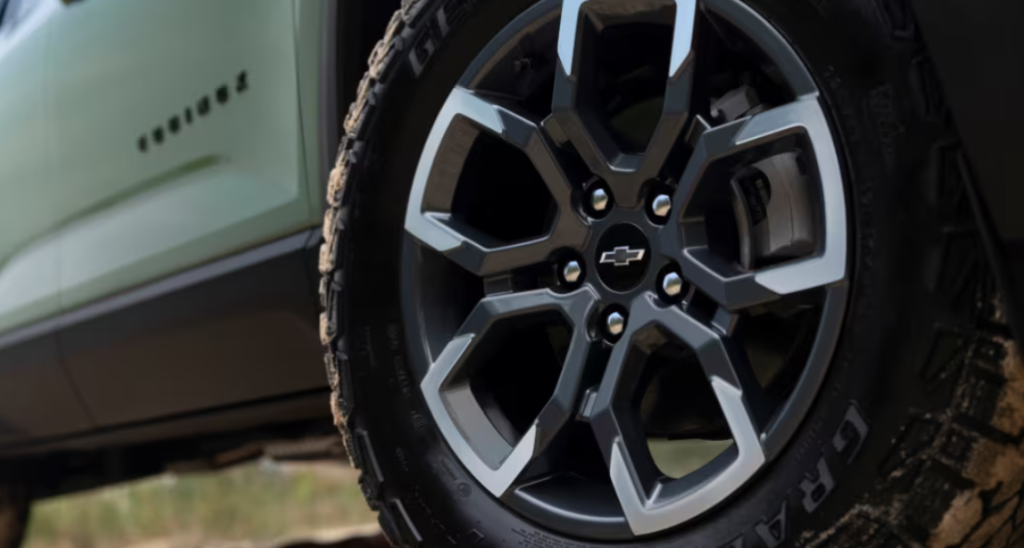
For extra peace of mind, Chevrolet offers Tire & Wheel Protection plans backed by General Motors. These plans can cover the replacement or repair of tires and wheels damaged by road hazards like glass, nails, rocks, potholes, wood debris, or metal parts. The plan also covers replacing your TPMS if a road hazard damages it. The protection includes costs for mounting, balancing, valve stems, and related fees.
Final Thoughts
Your tires are essential to your safety, your vehicle’s performance, and your overall driving experience. By checking your tire pressure monthly, choosing the right tires for your needs, rotating them every 7,500 miles, and watching for signs of wear, you’re investing in your vehicle’s longevity and your peace of mind.
When you need Chevrolet tire service or any other car service, our team at Hessert Chevrolet of Cherry Hill is ready to help. Our Certified Service experts have the knowledge, equipment, and genuine GM parts to keep your vehicle running at its best. Whether you need a simple rotation, a wheel alignment, new tires, or just have questions about your tire health, we’re here to make sure every drive is as safe and smooth as possible. Schedule your service today and experience the difference that expert care makes. Read Next: Choosing Between the 2026 Chevrolet Equinox and Honda CR-V in Cherry Hill, NJ
Connect with us


- 2025 Chevy Blazer Cherry Hill, NJ
- 2025 Chevy Blazer EV Cherry Hill, NJ
- 2025 Chevy Equinox Cherry Hill, NJ
- 2025 Chevy Malibu Cherry Hill, NJ
- 2025 Chevy Silverado EV Cherry Hill, NJ
- 2025 Chevy Suburban Cherry Hill, NJ
- 2025 Chevy Tahoe Cherry Hill, NJ
- 2025 Chevy Traverse Cherry Hill, NJ
- 2025 Chevy Trax Cherry Hill, NJ
- 2026 Chevy Equinox Cherry Hill, NJ
- Cherry Hill Chevrolet Dealer
- Cherry Hill Chevrolet Service
- Chevrolet Lineup
- Hessert
- Hessert Chevrolet of Cherry Hill Service
- Uncategorized